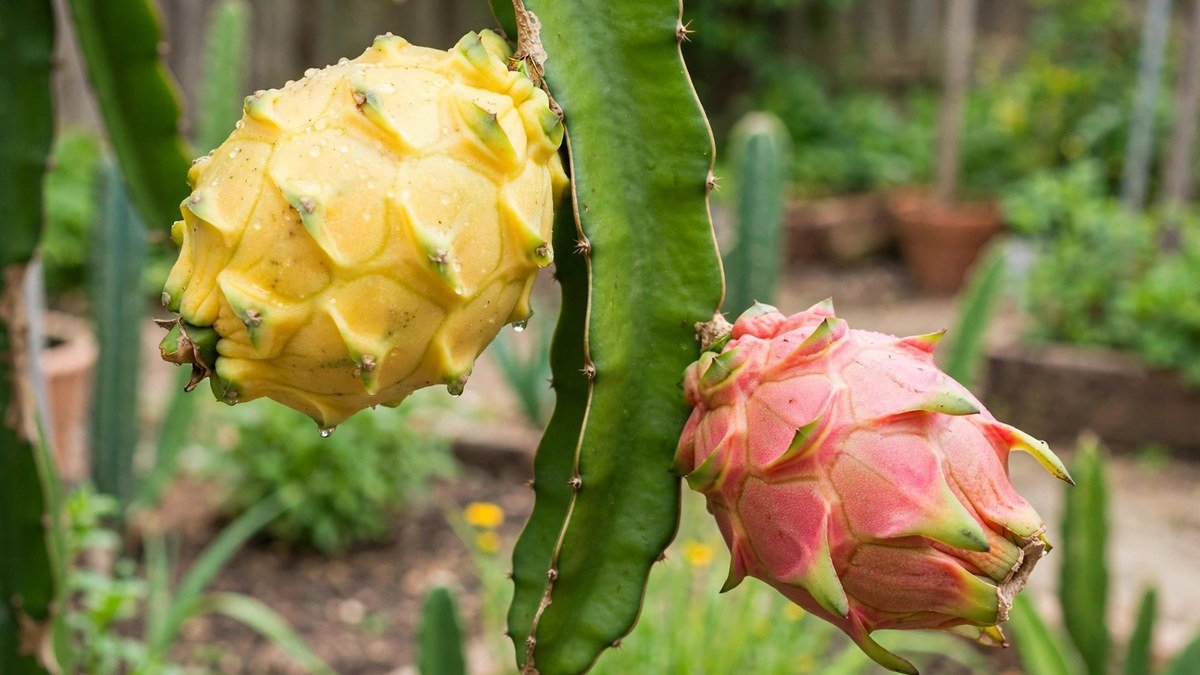
You waited weeks for your dragon fruit to blush pink, and instead the skin is turning yellow. It is a worrying sight, especially when the plant looked healthy all season and the fruit seemed to be ripening normally. Before you assume the fruit is ruined, it helps to know that dragon fruit skin turns yellow instead of pink for several very different reasons, and only some of them are a problem.
A yellow-skinned fruit can be a yellow variety doing exactly what it should, a pink variety stressed by sun or heat, or a fruit whose ripening has stalled because of water, food or a damaged stem. The fix depends entirely on which one you are looking at, and the clues are usually visible on the plant itself. This guide explains every common reason dragon fruit skin turns yellow instead of pink, shows how to tell the causes apart, and explains what to do next so the next fruit on the vine ripens the way you expect.
In This Guide
- Why a pink variety can turn yellow
- Yellow varieties that never turn pink
- Sun stress, heat and nutrient shortages
- How to diagnose the cause in five minutes
- What to do now and how to protect the next fruit
- Frequently asked questions
Is It a Yellow Variety?
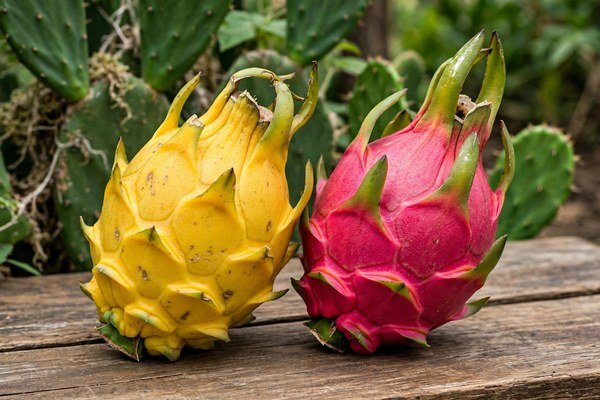
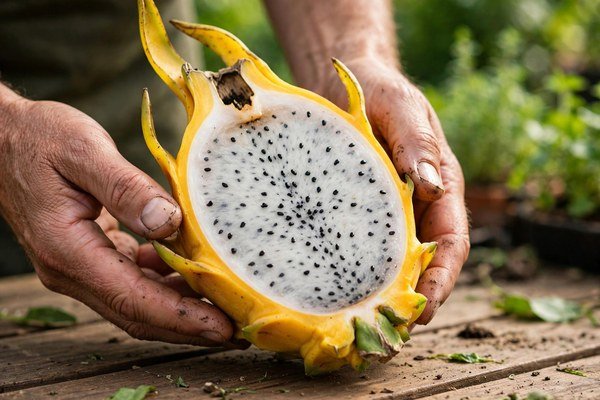
The simplest explanation for dragon fruit skin turns yellow instead of pink is that the plant is a yellow variety. Yellow types such as Palora, Colombian Yellow and Isis Gold never turn pink at all. Their skin ripens from green to a rich golden yellow, and the flesh inside is white, firm and usually sweeter than pink fruit. If you bought the plant without a label, or if a cutting came from a friend who did not know the variety, a yellow fruit may be exactly what the plant was always going to produce.
Check the plant’s history first. Did you buy it as a named yellow variety? Does the fruit stay small, around the size of a large egg, with tighter scales than a pink fruit? Are the stems carrying more spines than a typical pink variety? Yellow types often have smaller fruit and thornier stems, and they usually take longer to ripen. If the label is lost, compare your fruit with the profiles in our guide to yellow dragon fruit varieties for beginners, which covers the common yellow types, their fruit size and their pollination needs.
A yellow variety is not a fault, and there is nothing to fix. Let the fruit ripen until the skin is evenly golden and the fruit gives slightly under gentle pressure, then pick it and enjoy it. Many growers who expected pink fruit end up preferring the yellow types once they taste them, because the flesh is often noticeably sweeter. The only real mistake is picking the fruit too early, while it is still pale and firm, because an unripe yellow fruit tastes bland no matter how sweet the variety is.
Sun Stress and Heat
When dragon fruit skin turns yellow instead of pink on a pink variety, strong sun is the most common cause. Dragon fruit loves sun, but fruit hanging on the sun-facing side of the plant can bleach or scorch in very hot weather. The skin turns yellow, sometimes with a pale, washed-out patch where the sun hits hardest, while fruit on the shaded side of the same plant colours up pink normally. That one-sided pattern is the clearest sign of sun stress.
Heat makes the problem worse. During a long hot spell, the plant loses water faster than the roots can replace it, and the fruit ripens unevenly. The skin may yellow, dry out slightly, or develop thin, papery patches. Stems can show the same stress, turning pale yellow or developing sunken, bleached areas. The UF IFAS growing guide notes that intense sun can scorch stems and fruit, and that some shade during the hottest part of the day helps plants in very hot climates. You can read the full guide through UF IFAS.
Protection is straightforward. A light shade cloth over the plant during the hottest weeks, about 30 percent shade, is usually enough to stop further bleaching without slowing ripening. For a potted plant, moving the pot so the fruiting stems get morning sun and afternoon shade works just as well. Water the plant deeply in the early morning during heatwaves so the fruit has enough moisture to ripen evenly, and avoid wetting the fruit itself in strong sun, since water drops can act like tiny lenses and worsen scorching. Fruit that has already yellowed from sun will not turn pink again, but it is usually still edible once it softens, and the next fruit on the shaded side should colour normally.

Ripening Problems, Water and Nutrients
A fruit can also stall halfway through ripening, so that dragon fruit skin turns yellow instead of pink and then stops changing altogether. When ripening stalls, dragon fruit skin turns yellow instead of pink and the fruit stays firm and pale inside, even though weeks have passed since it reached full size. This usually points to a stressed plant rather than a variety problem. The most common stresses are too much water, too little potassium, a damaged stem, or cold nights during the ripening period.
Overwatering is the first suspect. Dragon fruit is a cactus, and roots sitting in wet soil stop working properly. The plant cannot move nutrients into the fruit, so ripening slows or stops, and the skin takes on a dull yellow colour instead of deepening to pink. Check the soil before you water again: push a finger a few centimetres into the mix, and water only when it feels dry at that depth. In heavy soil or a pot without drainage holes, the roots may already be rotting, in which case the fruit will not recover and the plant needs repotting into a free-draining mix.
Potassium matters because it drives sugar production and colour development in the fruit. A plant fed only with nitrogen-rich fertiliser grows plenty of green stems but produces pale, slow-ripening fruit. A balanced feed, or a feed with a little extra potassium during fruiting, helps the skin colour properly. Cold nights can have a similar effect: dragon fruit ripens best in warm weather, and a sudden cold snap can pause colour change for a week or more. The fruit usually resumes ripening once warm weather returns, so patience is often the right response.
How to Tell Which Cause You Have
You can usually narrow down why dragon fruit skin turns yellow instead of pink with a five-minute check of the fruit, the stem and the plant’s history. Start with the variety. If you planted a yellow type, the answer is already in front of you, and no fix is needed. If the plant is a pink variety, look at where the yellow appears. Yellowing only on the sun-facing side points to sun stress, while yellowing all over the fruit points to a ripening problem.
Next, check the stem feeding the fruit. A healthy stem is firm and green. A stem that is pale, soft, shrivelled or sunburned cannot feed the fruit properly, and the fruit will stall. Then check the soil: soggy soil suggests overwatering, while very dry soil during a heatwave suggests the plant is simply short of water. Finally, squeeze the fruit gently. If the fruit is a yellow type, use the squeeze and scale test in our guide on how to tell yellow dragon fruit is ripe before you decide it is ready. For a pink variety, compare the colour with the stages in our guide to dragon fruit skin colour when ripe.
Write down what you find, because the pattern across several fruits tells you more than one fruit alone. If every fruit on the sun-facing side is yellow while shaded fruit turns pink, the cause is sun. If all fruit on one stem is yellow while other stems colour normally, that stem is damaged. If all fruit everywhere has stalled at yellow, check water, feeding and recent cold nights. A clear pattern saves you from guessing and from fixing the wrong thing.
What to Do Next
Once you know the cause, the fix for dragon fruit skin turns yellow instead of pink is usually simple. For a yellow variety, do nothing except wait for full ripeness and pick by the squeeze test, not by colour. For sun stress, rig up shade cloth or move the pot into afternoon shade, and water deeply in the morning during heatwaves. For stalled ripening, fix the watering first: let soggy soil dry out, and water dry soil thoroughly. Then feed the plant with a balanced fertiliser and give it a week or two of warm weather to resume colouring.
Fruit that has already turned yellow will rarely turn pink afterwards, so judge it by feel rather than colour. If it softens slightly under gentle pressure and the scales start to dry at the tips, it is ready to eat even if the skin stayed yellow. Cut it open and check the flesh: firm, bright flesh with a sweet smell is fine, while grey, watery or sour-smelling flesh means the fruit should go to the compost. Remove any badly sunburned or rotting fruit from the plant so the plant puts its energy into the next flowers instead.
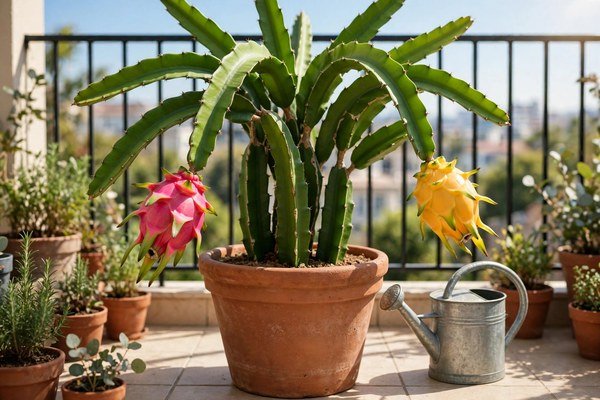
For the next round of fruit, prevention works better than repair. Keep the plant in a spot with morning sun and some afternoon shade in the hottest months, water deeply but infrequently, and feed with a balanced fertiliser through the fruiting season. Prune away damaged or sunburned stems so new growth comes from healthy wood. With those habits in place, most pink varieties colour up evenly, and yellow varieties ripen to a deep gold that is easy to recognise.
When Yellow Skin Is Normal
Yellow skin is not always a warning sign. In some varieties the skin passes through yellow before the pink deepens, so dragon fruit skin turns yellow instead of pink for a week and then colours up on its own. This is most common in young plants and in fruit that sets during a cool spell. The skin starts green, fades to yellow-green, then to yellow, and finally blushes pink from the base upward. If the fruit is still firm and growing, give it another week before worrying.
Some pink varieties also ripen to a lighter, more orange-pink shade in very hot weather, which can look yellow in bright sunlight. Step into the shade and look again: the true colour is easier to judge out of direct sun. And a fruit that was yellow yesterday may show its first pink blush tomorrow, since colour change often happens quickly once it starts. The rule is simple: yellow skin plus a firm, growing fruit means wait; yellow skin plus a soft, shrivelled or foul-smelling fruit means pick it off and check the plant.
Frequently Asked Questions
Dragon fruit skin turns yellow instead of pink — is the fruit still safe to eat?
In most cases, yes, once the fruit softens slightly under gentle pressure. If dragon fruit skin turns yellow instead of pink because it is a yellow variety, the fruit is usually sweeter than a pink one. Taste a small piece first: sweet, firm flesh is fine, while sour, watery or grey flesh means the fruit should be composted.
How long should I wait before picking a yellow-skinned fruit?
Wait until the fruit gives slightly under gentle pressure and the tips of the scales look dry. A fruit that is still hard is not ready, even if the skin is fully yellow. Most fruit softens within a few days of reaching full colour.
Can sunburned dragon fruit turn pink again?
No. Once the skin has bleached yellow from strong sun, that fruit will not colour up pink. It may still ripen and be edible, but the colour will not recover. Protect the next fruit with shade cloth or afternoon shade.
Does yellow skin mean the plant is diseased?
Not usually. Yellowing skin is most often a variety trait, sun stress or a ripening stall from water or feeding problems. Disease usually shows as soft, dark, spreading spots on the stem or fruit, or a bad smell. If the stem is firm and green and only the fruit colour is unusual, disease is unlikely.
Conclusion
Yellow skin on a dragon fruit is a clue, not a verdict. It may mean you are growing a yellow variety, that the sun has been too strong, or that ripening has stalled because of water, food or cold. The next time dragon fruit skin turns yellow instead of pink, check the variety first, then the sun, then the water, and you will usually know the answer before the fruit is ready to pick. Pick by feel, protect the plant from harsh afternoon sun, and the next fruit on the vine should ripen the way you expect.