Table of Contents
Introduction
Learning how to fix dragon fruit root rot is one of the most important skills for anyone growing this cactus, because root rot is the fastest way to lose an otherwise healthy plant. Dragon fruit is a climbing cactus from dry, rocky places, and its roots are built for soil that drains quickly and dries out between waterings. When the soil stays wet for too long, the roots suffocate, fungi and bacteria move in, and the roots turn soft, brown and mushy. Left alone, the rot climbs up the stem, the plant collapses, and by the time the damage is visible above ground, the roots are often already gone.
The good news is that root rot is fixable if you catch it early, and dragon fruit is a tough plant that recovers well from a proper rescue. How to fix dragon fruit root rot comes down to four parts: take the plant out of the wet soil, cut away every rotten root and stem, let the cuts dry and callus, and replant in a fresh, fast-draining mix with a new watering routine. Each part matters, and skipping one, especially the drying step, is the most common reason a rescue fails.
This guide shows how to fix dragon fruit root rot step by step, from recognising the signs to aftercare and prevention, so you can save the plant and stop the rot from coming back. If your cuttings are struggling for a different reason, our dragon fruit cuttings not rooting guide covers the other common causes.
What Root Rot Is and How to Recognise It
Root rot is not a single disease, but knowing how to fix dragon fruit root rot starts with understanding it. It is what happens when roots sit in waterlogged soil for too long. Healthy roots need oxygen as well as water, and in soggy soil the air pockets fill with water, the roots suffocate, and their cells start to die. Dead and weakened root tissue is then attacked by soil fungi, most often Pythium and Phytophthora, and by bacteria, which turn the roots soft and brown. The rot spreads from the fine feeder roots to the thicker roots, and then up into the base of the stem.
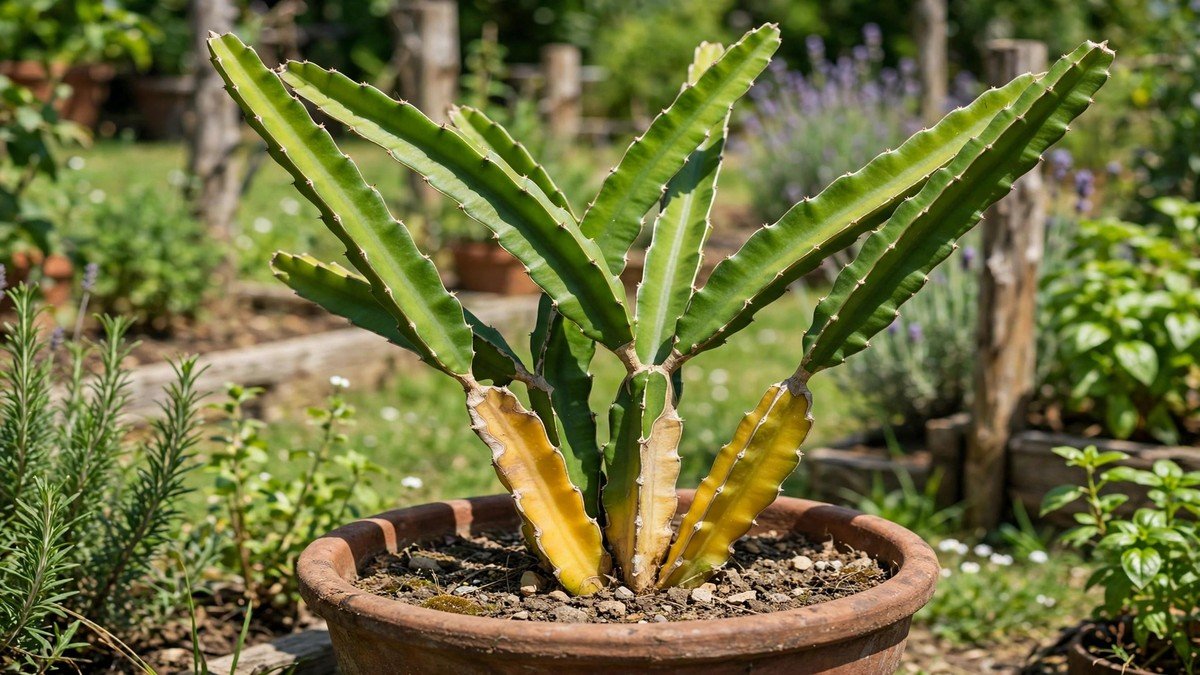
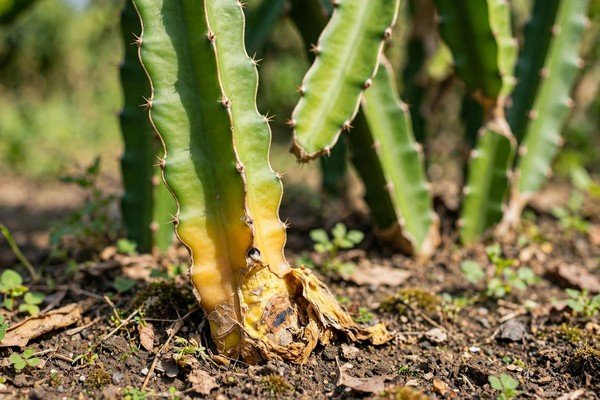
The first signs usually appear above ground, and they are easy to mistake for other problems. The stem turns yellow, starting at the base and spreading upward. Growth stops, even in warm weather when the plant should be growing fast. The stem feels soft and spongy at the base instead of firm, and it may lean or wobble because the roots are no longer anchoring it. In advanced cases, the base of the stem turns brown or black, smells sour or rotten, and the plant collapses.
To confirm the diagnosis, you need to look at the roots. Slide the plant out of its pot and shake off the soil. Healthy dragon fruit roots are firm, pale or light brown, and slightly springy. Rotted roots are dark brown or black, soft and mushy, and they pull apart easily or slough off when you touch them. If the roots smell sour or like rotten vegetables, that is rot, not just wet soil. If the roots are pale and firm but the soil is wet, the plant may only be overwatered, and drying the soil out may be enough without a full rescue.
What Causes Root Rot
Root rot always comes back to one thing: soil that stays wet for too long. The cause of the wet soil can be several things, and learning how to fix dragon fruit root rot means fixing the cause, not just the rescue, or the rot will return.
Overwatering is the most common cause. Dragon fruit needs far less water than most garden plants, and watering on a fixed schedule, such as every day or every other day, will keep the soil wet in cool or cloudy weather when the plant is barely drinking. Water only when the soil is dry several centimetres down, not when the surface looks dry and not because it is a certain day of the week.
Poor drainage is the second cause. A pot without drainage holes, a saucer that holds water under the pot, or a heavy soil mix that holds water like a sponge will all keep the roots wet. Dragon fruit soil should drain in seconds, not sit in a puddle. A mix of roughly half cactus or succulent soil and half perlite, pumice or coarse sand drains fast enough for most climates.
Rainy seasons and cold weather make everything worse. In monsoon or long rainy periods, pots outdoors can stay wet for weeks, and the plant cannot dry out. In cold weather below about 15 degrees, the plant grows slowly and drinks very little, so soil that dries in two days in summer can take a week to dry in winter. Water less in winter, move pots under cover in heavy rain, and never water a plant that is already sitting in wet soil.
What You Need Before You Start
Gather everything before you take the plant out of its pot, because the roots should not sit exposed in the air for longer than necessary, and the cut surfaces need to dry promptly.
You need a clean, sharp knife or pruning shears, rubbing alcohol or a diluted bleach solution to sterilise the blade, a new pot with drainage holes that is only slightly larger than the root ball, fresh fast-draining cactus or succulent mix, perlite or pumice, cinnamon powder or a sulphur-based fungicide for the cut surfaces, gloves, and a tray or newspaper to work on. A chopstick or small stick is useful for gently removing old soil from the roots without tearing them.
Sterilise the blade before every cut, not just at the start. Dip it in rubbing alcohol or wipe it with the bleach solution between cuts, because a dirty blade can carry fungi from a rotten root to a healthy stem. Wash your hands and gloves after handling rotted material, and throw the old soil away. Do not reuse it, and do not put it in the compost, because it carries the fungi that caused the rot.
Step 1: Take the Plant Out and Inspect the Roots
When learning how to fix dragon fruit root rot, water the plant lightly the day before, if the soil is not already soaking wet, because slightly damp soil comes out of the pot more easily than bone-dry soil. Tip the pot on its side, support the stem with one hand, and slide the plant out. If it sticks, tap the sides of the pot or run a knife around the inside edge, but do not yank the stem, because a plant with rotted roots can snap off at the base.
Shake off as much old soil as you can, then rinse the roots gently with a hose or a bucket of clean water. Rinsing lets you see the colour and texture of every root, which you cannot do through wet soil. Work over a tray so the dirty water does not spread fungi around the garden.
Inspect every root. Healthy roots are firm and pale. Rotted roots are dark, soft and mushy, and they smell bad. Check the base of the stem too: press it gently, and if it is soft, spongy or discoloured, the rot has already climbed into the stem, and you will need to cut higher than you expected. Note how far the rot has spread before you pick up the knife, because that decides how much you need to remove.
Step 2: Cut Away All the Rot
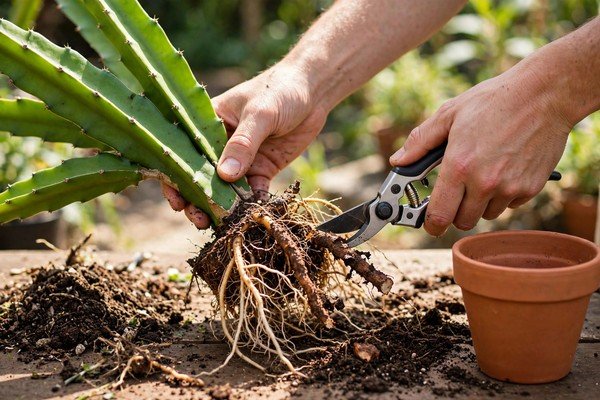
When learning how to fix dragon fruit root rot, cut away every rotten root, and do not be gentle about it. A root that is half-rotted will keep rotting after replanting, and the fungi will spread to the healthy roots beside it. Cut each root back to firm, pale, healthy tissue, and if you are unsure whether a root is healthy, cut it. Dragon fruit grows new roots quickly from a healthy stem, and losing roots is far less dangerous than keeping rotten ones.
If the rot has reached the stem, cut the stem too. Cut in small steps, a centimetre at a time, until the cut surface shows clean, pale green or white flesh with no brown or black discolouration. If the brown runs through the whole stem, keep cutting until you reach clean tissue, even if that means cutting the plant down to a short stump. A short healthy cutting will regrow. A tall rotten stem will not.
Sterilise the blade between cuts, and cut at a slight angle so water runs off the cut surface instead of pooling on it. Put all the cut material straight into a bag and throw it away. Do not leave it on the soil or the bench, where it can spread spores.
Step 3: Let the Cuts Dry and Callus
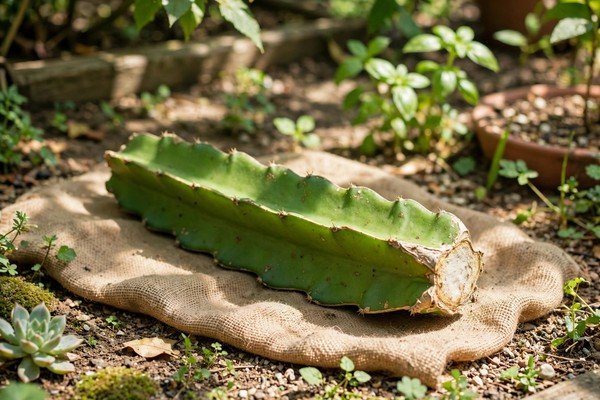
This is the step most people skip when learning how to fix dragon fruit root rot, and skipping it is the most common reason a rescue fails. Fresh cuts are open wounds, and if you plant them straight into damp soil, fungi and bacteria will enter through the cut before it heals. The cut must dry and form a callus, a dry, papery layer over the wound, before the plant goes back into soil.
Place the trimmed plant in a warm, dry, shaded spot with good airflow, out of direct sun. Direct sun can scorch the exposed flesh, but shade with moving air dries the cut quickly. Small root cuts usually callus in one to two days. A cut stem needs three to seven days, depending on how thick the stem is and how humid the air is. In humid weather, give it the full week, and check the cut daily: it is ready when the surface feels dry and papery to the touch, not soft or damp.
While the plant is drying, dust the cut surfaces lightly with cinnamon powder or a sulphur-based fungicide. Cinnamon is a mild natural antifungal, it is cheap, and it helps the cut dry. It is not a cure on its own, and it does not replace the drying time, but it gives the wound a little extra protection while it calluses.
Do not water the plant while it is callusing, and do not wrap the cuts in plastic or cloth, because trapped moisture stops the callus from forming. Patience here saves the plant. A week of drying feels slow, but a plant put back into wet soil with open wounds will rot again within days.
Step 4: Repot in Fresh, Fast-Draining Mix
One part of how to fix dragon fruit root rot is to use a new pot, or scrub the old pot thoroughly with hot water and a diluted bleach solution and let it dry in the sun. The pot must have drainage holes, and it should be only slightly larger than the remaining root ball. A pot that is too large holds extra soil that stays wet around the small root system, which is exactly the problem you are fixing.
Make a fast-draining mix. A good starting point is one part cactus or succulent potting soil, one part perlite, and one part coarse pumice or orchid bark. If you do not have pumice, use coarse sand or extra perlite. The mix should feel gritty and loose, and when you squeeze a handful, it should fall apart instead of holding a wet ball. Do not use garden soil, which compacts and holds water, and do not use fine peat, which stays soggy.
Fill the pot partway, set the plant at the same depth it was growing before, and fill around the roots, tapping the pot gently to settle the mix without compacting it. Do not press the soil down hard with your hands, because compacted soil drains slowly. If the plant is tall and unstable with few roots, tie it loosely to a stake for the first few weeks until new roots anchor it.
Do not water immediately after repotting. Wait three to five days, then water lightly, just enough to settle the mix around the roots. After that, water only when the top 5 centimetres of soil are dry. That single rule, more than any soil mix, is what keeps root rot away.
Aftercare: Helping the Plant Recover
Once you know how to fix dragon fruit root rot, remember that recovery takes weeks, not days, and the plant will look worse before it looks better. The stem may wrinkle slightly as it uses stored water, and growth will stop while the plant grows new roots. That is normal. Do not try to fix it by watering more, because extra water is what caused the problem.
Keep the plant in bright, indirect light for the first two weeks, out of harsh midday sun. A recovering plant cannot take up much water, so strong sun will dry it out faster than its small root system can replace. After two weeks, move it back into its normal sunny spot gradually, a few hours of morning sun at first, then full sun over the next week.
Do not feed the plant until you see new growth, which usually appears in three to six weeks. Fertiliser on a plant with few roots can burn the new root tips and set recovery back. When new growth appears, a light dose of balanced fertiliser once a month is enough.
Check the plant weekly by pressing the base of the stem gently. It should feel firm and get firmer over time. If it softens again, or if the yellowing spreads, take the plant out and inspect the roots again. A second rescue is possible if you catch it early, but each rescue leaves the plant weaker, so prevention matters more than repeated rescues.
Preventing Root Rot for Good
Once you know how to fix dragon fruit root rot, prevention is a routine, not a single fix, and it comes down to water, soil and drainage. Water only when the soil is dry 5 centimetres down, and check with your finger rather than a calendar. In summer that may mean watering once or twice a week; in winter it may mean once a fortnight or less. When you do water, water deeply until it runs out of the drainage holes, then empty the saucer and do not water again until the soil dries.
Use a fast-draining mix from the start, and repot every one to two years, because even a good mix breaks down over time and starts holding more water. Use a pot with drainage holes, and never let the pot sit in a saucer of water. In rainy seasons, move pots under cover or tilt them slightly so rain runs off, and in cold weather, cut watering back sharply, because a cold plant barely drinks.
Watch the plant, not the calendar. A dragon fruit that is growing fast, with firm green stems and new shoots, is drinking and healthy. A plant that has stopped growing, with yellowing stems and soft bases, is telling you something is wrong underground. Check the roots at the first sign, not after the plant collapses, because early root rot is fixable and late root rot often is not.
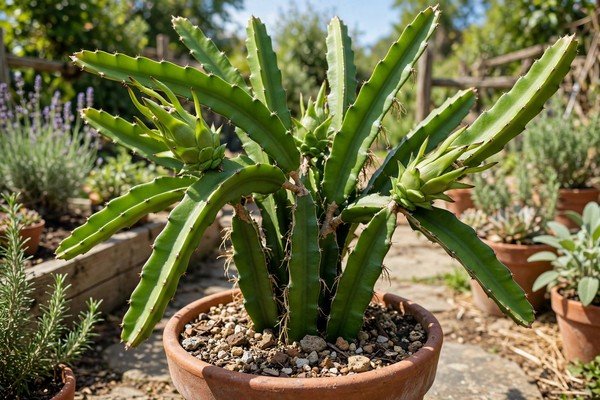
Frequently Asked Questions About How to Fix Dragon Fruit Root Rot
Can a dragon fruit plant recover from root rot?
Yes, if the rot is caught early and the stem base is still firm. This is how to fix dragon fruit root rot: cut away all rotten roots and stem, let the cuts callus for several days, and repot in fresh fast-draining mix. Most plants show new growth within three to six weeks. If the rot has spread through the whole stem, save a healthy cutting from the top instead.
How long should I let the cuts dry before repotting?
Small root cuts need one to two days. A cut stem needs three to seven days, until the surface feels dry and papery. In humid weather, give it the full week. Planting before the cut calluses is the most common reason a rescue fails.
Should I water right after repotting a rotted dragon fruit?
No. Wait three to five days, then water lightly. After that, water only when the top 5 centimetres of soil are dry. Watering immediately after repotting keeps the fresh cuts wet and invites the rot back.
What soil mix prevents dragon fruit root rot?
A mix of one part cactus or succulent soil, one part perlite, and one part coarse pumice or orchid bark drains fast enough for most climates. The mix should feel gritty and fall apart when squeezed, not hold a wet ball. Avoid garden soil and fine peat, which stay soggy.
Can I save a cutting from a plant with root rot?
Yes, and it is often the safest option when the base is badly rotted. Cut a healthy section from the top of the plant, at least 20 to 30 centimetres long, let it callus for five to seven days, then plant it in dry cactus mix. It will root in two to four weeks in warm weather.
How do I know if the rot is gone?
The stem base feels firm and gets firmer over time, the yellowing stops spreading, and new growth appears within three to six weeks. If the stem softens again or the yellowing spreads, take the plant out and check the roots, because the rot may have returned.
Conclusion: How to Fix Dragon Fruit Root Rot
How to fix dragon fruit root rot is a rescue with four clear steps: take the plant out, cut away every rotten root and stem, let the cuts dry and callus, and repot in fresh fast-draining mix with a new watering routine. Each step matters, and the drying step matters most, because a fresh cut planted into damp soil will rot again within days.
Prevention is simpler than rescue, and knowing how to fix dragon fruit root rot means acting at the first sign. Water only when the soil is dry 5 centimetres down, use a gritty fast-draining mix, use a pot with drainage holes, and never let the plant sit in water. Watch the plant for the early signs, yellowing from the base, soft stems, stopped growth, and check the roots at the first sign rather than waiting for the plant to collapse. Caught early, root rot is fixable, and a rescued dragon fruit can go on growing and fruiting for years.