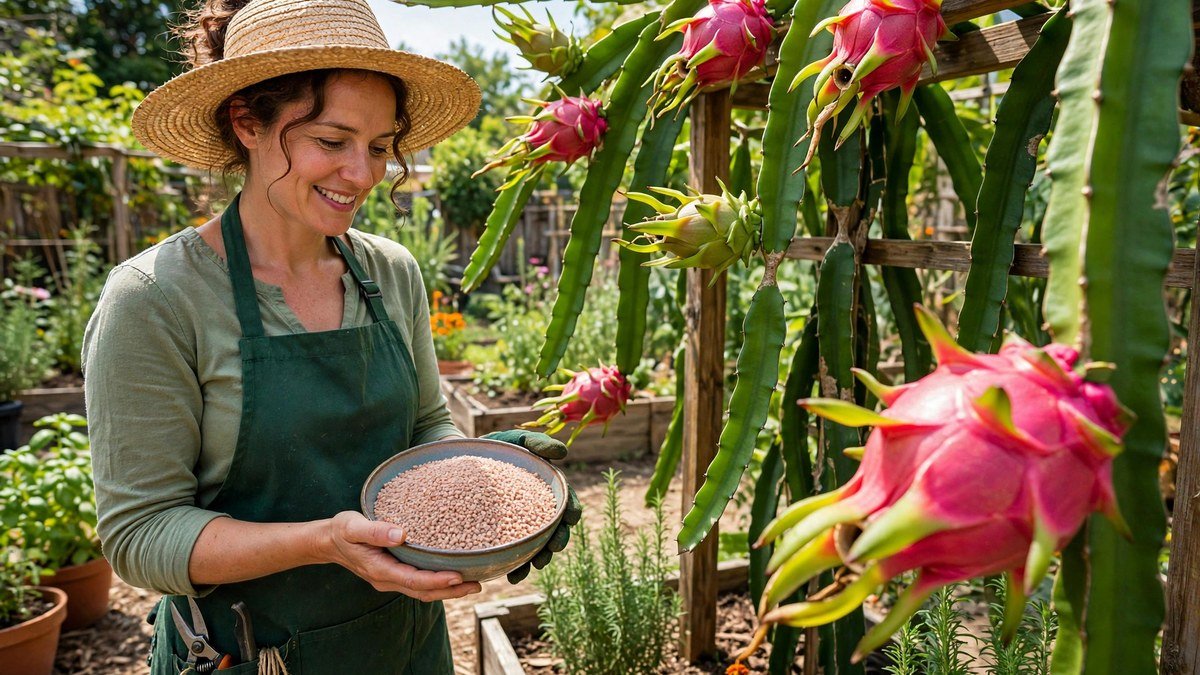
A dragon fruit plant can flower well and still give you small fruit. The buds open, the flowers set, and then the fruit stops growing at half the size you expected, even though the plant looks healthy. The usual cause is not disease or bad luck. It is nutrition, and one nutrient in particular: potassium. A plant short of potassium cannot move sugars into the fruit fast enough, so the fruit stays small no matter how much you water it. That is where dragon fruit potassium fertilizer for bigger fruit earns its place in the feeding routine, not as a magic powder, but as the missing piece in a plant that is otherwise doing fine.
This guide explains how dragon fruit potassium fertilizer for bigger fruit works, when to apply it during the fruit-filling stage, which forms suit home growers best, and how to use it without overfeeding. It keeps the advice general and safe: no exact nutrient ratios, no promised size gains, just the timing and habits that help a healthy plant fill its fruit properly.
In This Guide
- What potassium does for dragon fruit
- Signs your plant needs more potassium
- When to apply dragon fruit potassium fertilizer for bigger fruit
- Types of dragon fruit potassium fertilizer for bigger fruit
- How to apply it step by step
- Watering after feeding
- Mistakes to avoid
- Frequently asked questions
What Potassium Does for Dragon Fruit
Potassium is one of the three main nutrients every plant needs, alongside nitrogen and phosphorus, but it does a different job from the other two. Nitrogen pushes leafy growth. Phosphorus supports roots and flowering. Potassium moves sugars and water around the plant, strengthens cell walls, and helps the plant handle heat and dry spells. For a fruiting cactus, that sugar-moving job is the important one: the leaves make sugars in sunlight, and potassium helps carry those sugars into the swelling fruit. Without enough of it, the fruit fills slowly and stops small.
That is why growers talk about dragon fruit potassium fertilizer for bigger fruit whenever the fruit starts to fill. A plant with enough potassium produces firmer fruit with better colour and a longer shelf life, because the thicker cell walls resist bruising and the sugars are stored properly. The effect is gradual, not instant: potassium fed this week shows in fruit that is still swelling, not in fruit that is already ripe.
It also helps the plant cope with hot weather, since well-fed stems lose less water and wilt less in afternoon sun. The UF IFAS growing guide notes that dragon fruit responds to balanced feeding through the growing season, and you can read the full guide through UF IFAS.
Potassium also matters for flowering. A plant short of potassium may flower less, or drop buds before they open, because it cannot support the energy cost of fruiting. Feeding potassium before and during flowering, rather than after the fruit is already set, gives the plant the reserves it needs for the whole fruiting run. That timing is the difference between a feed that helps and a feed that arrives too late.
Signs Your Plant Needs More Potassium
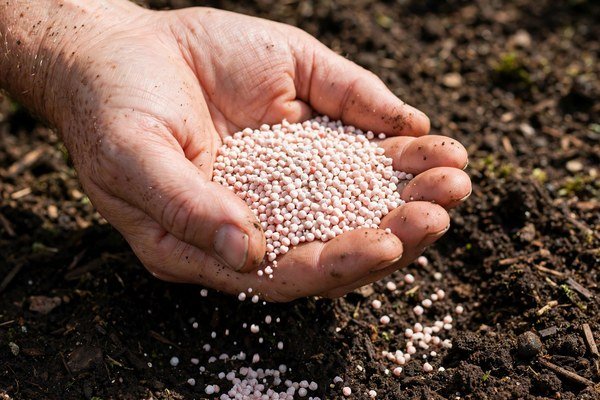
The clearest sign is fruit that stays small even though the plant gets full sun and regular water. If your plant flowers heavily but the fruit stops growing early, and the stems look otherwise healthy, a shortage of potassium is a likely cause. The fruit may also colour unevenly, with pale patches that never turn fully pink, or it may soften too quickly after picking because the skin is thin.
Other signs show on the stems. The edges of older stems may turn yellow or brown and look scorched, starting at the tips and working inward. Growth may slow even in warm weather, with new stems thinner than the old ones. A plant short of potassium also wilts faster on hot days than a well-fed plant in the same bed. None of these signs proves a potassium shortage on its own, since heat, drought and poor soil can look similar, but several together point to feeding.
If your plant flowers heavily but the fruit stays small, dragon fruit potassium fertilizer for bigger fruit is worth considering alongside better watering and sun. For the light and soil conditions the plant needs first, check the dragon fruit sunlight requirements and our guide to the best soil for dragon fruit, because fertiliser cannot fix a plant growing in shade or soggy soil.
A soil test is the surest way to confirm a shortage, and most garden centres sell simple kits. If a test shows low potassium, feeding is clearly the fix. If the test shows enough potassium already, the small fruit has another cause, such as too many fruit on one stem, and thinning the fruit will help more than feeding.
When to Apply Dragon Fruit Potassium Fertilizer for Bigger Fruit
Timing matters more than the product you choose. The best window is as the flower buds form and the young fruit begins to swell, because that is when the plant is moving the most sugar into the fruit. A feed at bud stage, and another light feed or two while the fruit is filling, covers the whole season. Most home growers apply dragon fruit potassium fertilizer for bigger fruit in two or three light feeds across the fruiting season, spaced several weeks apart, rather than one heavy dose. Light, repeated feeds are safer than a single large one, since a heavy dose can burn roots and wash away in the next rain.
Stop feeding as the fruit nears ripeness. A late feed does little for size, so dragon fruit potassium fertilizer for bigger fruit works best when it goes on early in the filling stage, not in the last week before picking. In winter, when growth slows, stop feeding altogether: a dormant plant cannot use the nutrients, and they sit in the soil until spring, where they may damage roots. In warm climates where the plant grows year-round, feed lightly through the cooler months only if new growth is still appearing.
Young plants need less. A plant in its first year should get only small amounts, since its root system is still small and heavy feeding can burn it. Mature plants in full production need more, but still in modest doses. Potted plants need lighter, more frequent feeds than plants in the ground, because nutrients wash out of pots faster with every watering.

Types of Dragon Fruit Potassium Fertilizer for Bigger Fruit
Sulfate of potash is the usual choice for home growers. It dissolves well in water, acts fairly quickly, and adds sulfur as well as potassium. Sulfate of potash is the usual choice when growers buy dragon fruit potassium fertilizer for bigger fruit, because it adds potassium without extra chloride, which matters for plants that dislike salty soil. It comes as granules or a soluble powder, and either form works if you follow the packet directions for general garden use.
Muriate of potash is cheaper and more widely sold, but it contains chloride, and heavy use can build up salts in the soil. In free-draining soil with regular watering, small amounts are usually fine, but growers in dry areas or with potted plants often prefer sulfate of potash instead.
Wood ash is an old home remedy: it contains potassium and raises soil pH, so use only a small handful at a time and never on soil that is already alkaline. Banana peels, composted or soaked in water, add a little potassium slowly, but they are a supplement, not a main feed: you would need far too many peels to feed a mature plant. A liquid feed is the gentlest form of dragon fruit potassium fertilizer for bigger fruit for potted plants, since it is diluted and easy to dose, and it suits plants whose roots are confined to a pot.
Whichever form of dragon fruit potassium fertilizer for bigger fruit you choose, buy a product meant for fruiting plants and follow the packet rate for general garden feeding. Do not mix several potassium products at once, and do not guess the dose: more is not better, and an overdose is harder to fix than a missed feed.
How to Apply It Step by Step
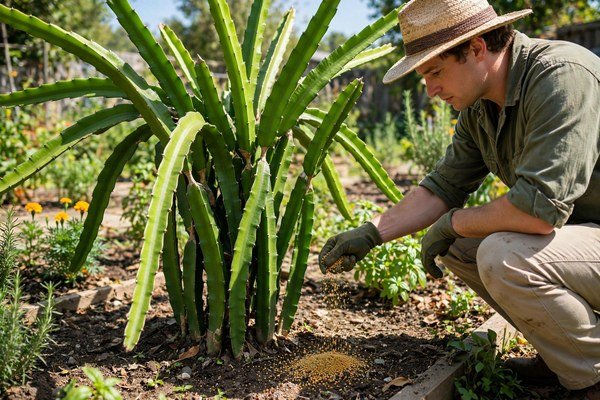
Start by watering the plant the day before, so the soil is damp and the roots are active. Dry soil plus dry fertiliser is the combination that burns roots. Scatter the granules evenly under the canopy, in a ring around the base, about 20 to 30 centimetres from the main stem. Spread dragon fruit potassium fertilizer for bigger fruit evenly under the canopy, not in a heap against the stem, because a concentrated pile will scorch the stem base and the nearest roots. For a liquid feed, mix it in a watering can at the packet dilution and pour it slowly over the root zone.
After spreading granules, scratch them lightly into the top few centimetres of soil or mulch with a hand fork, then water gently so the nutrients start to dissolve. Do not dig deep near the plant, since dragon fruit roots are shallow and easy to damage. For potted plants, use half the garden rate and water until a little drains from the bottom, which shows the feed has reached the whole root ball. Wash your hands after handling fertiliser, and keep bags away from children and pets.
Repeat the feed after three to four weeks if fruit is still swelling, but stop once the fruit starts to colour fully. Keep a simple note of when you fed and how much, so you can judge next season whether the timing helped. A short note beats a good memory when the next flowering season arrives.
Watering After Feeding
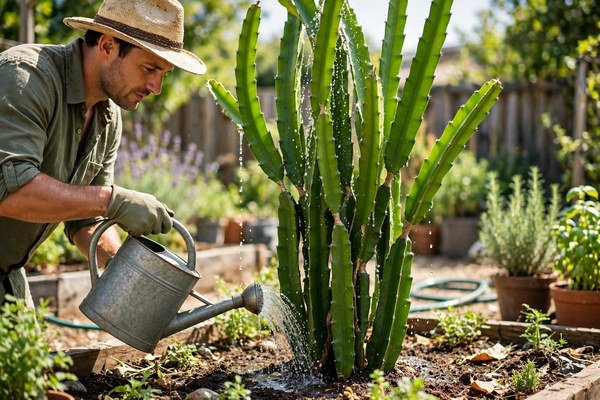
Watering after feeding is half the job. Fertiliser sitting dry on the surface does nothing for the plant, and in hot sun it can even damage the stems it touches. Water gently at the base after every feed, enough to wet the top 15 centimetres of soil, and then leave the plant alone for a few days. Watering after dragon fruit potassium fertilizer for bigger fruit helps the nutrients reach the roots, where they can be taken up, instead of sitting on the surface. If rain is forecast within a day, you can let the rain do the watering, but a light watering of your own still helps the granules settle.
Do not flood the plant after feeding. Heavy watering washes the potassium below the root zone, where the plant cannot reach it, and in a pot it washes straight out of the drainage holes. A slow soak is better than a fast flood. In the days after feeding, watch the plant: healthy new growth and steady fruit swelling mean the feed is working, while yellowing or wilting after a feed means the dose was too strong, and you should water plain water generously to dilute it.
Mistakes to Avoid
The most common mistake with dragon fruit potassium fertilizer for bigger fruit is using too much at once. A double dose does not double the fruit size; it burns roots, damages stems, and can make the plant drop its fruit. If in doubt, use less than the packet rate and feed again later. The second mistake is feeding at the wrong time: potassium applied in winter, or after the fruit is ripe, is wasted. The third is feeding a stressed plant: a plant suffering from drought, waterlogging or disease will not use the feed, and the salts can make the stress worse. Fix the water and drainage first, then feed.
Another error is relying on fertiliser alone. A plant in shade, in heavy soil, or crowded by other plants will still give small fruit no matter how much potassium it gets. Feeding works only when the basics are right: full sun, free-draining soil, enough space and steady watering. The full growing routine is in our guide on how to grow dragon fruit, which covers soil, watering, feeding and the first flowering season together.
Finally, do not expect one feed of dragon fruit potassium fertilizer for bigger fruit to fix years of poor feeding. Potassium builds up in the plant over a season, and the benefit shows in the next flush of fruit, not the one already on the plant. Patience is part of feeding.
Frequently Asked Questions
When should I start using dragon fruit potassium fertilizer for bigger fruit?
Start dragon fruit potassium fertilizer for bigger fruit when the first flower buds show, and feed lightly again while the fruit is swelling. Two or three light feeds across the fruiting season cover most plants. Stop once the fruit starts to colour fully, and do not feed in winter when growth has slowed.
Can I use wood ash instead of bought potassium fertilizer?
Yes, in small amounts. A small handful of wood ash scattered under the plant adds potassium and raises soil pH slightly. Do not use it often or in large amounts, and avoid it entirely if your soil is already alkaline. Wood ash is a supplement, not a replacement for a proper feed on a heavy-fruiting plant.
Will potassium fertilizer make the fruit sweeter?
It can help, indirectly. Potassium moves sugars into the fruit, so a well-fed plant often produces fruit with better flavour and colour than a starved one. But sweetness also depends on the variety, the sun, and picking at the right ripeness. Fertiliser alone cannot make an underripe fruit sweet.
Is muriate of potash safe for dragon fruit?
In small amounts, usually yes, especially in free-draining soil with regular watering. But it contains chloride, which can build up in dry soil or in pots. Many home growers prefer sulfate of potash instead, since it adds potassium without the chloride. Whichever you use, keep the dose modest.
How do I know if my plant actually needs potassium?
Look for small fruit despite good sun and watering, yellowing or scorched edges on older stems, and slow growth in warm weather. A simple soil test confirms it best. If the test shows enough potassium already, the small fruit has another cause, such as too many fruit on one stem, and thinning will help more than feeding.
Conclusion
Potassium is the nutrient that turns a good flowering season into a good fruiting season. It moves sugars into the swelling fruit, firms the skin, and helps the plant cope with heat, but it only works when the timing is right and the dose is modest. Feed lightly as the buds form and the fruit fills, choose a form that suits your soil and your pots, water it in gently, and stop once the fruit colours.
Used at the right time and in modest amounts, dragon fruit potassium fertilizer for bigger fruit is a simple way to help a healthy plant fill its fruit properly. Get the sun, soil and watering right first, feed with patience, and the plant will do the rest.