Red Flesh Dragon Fruit Varieties for Home Garden Growers
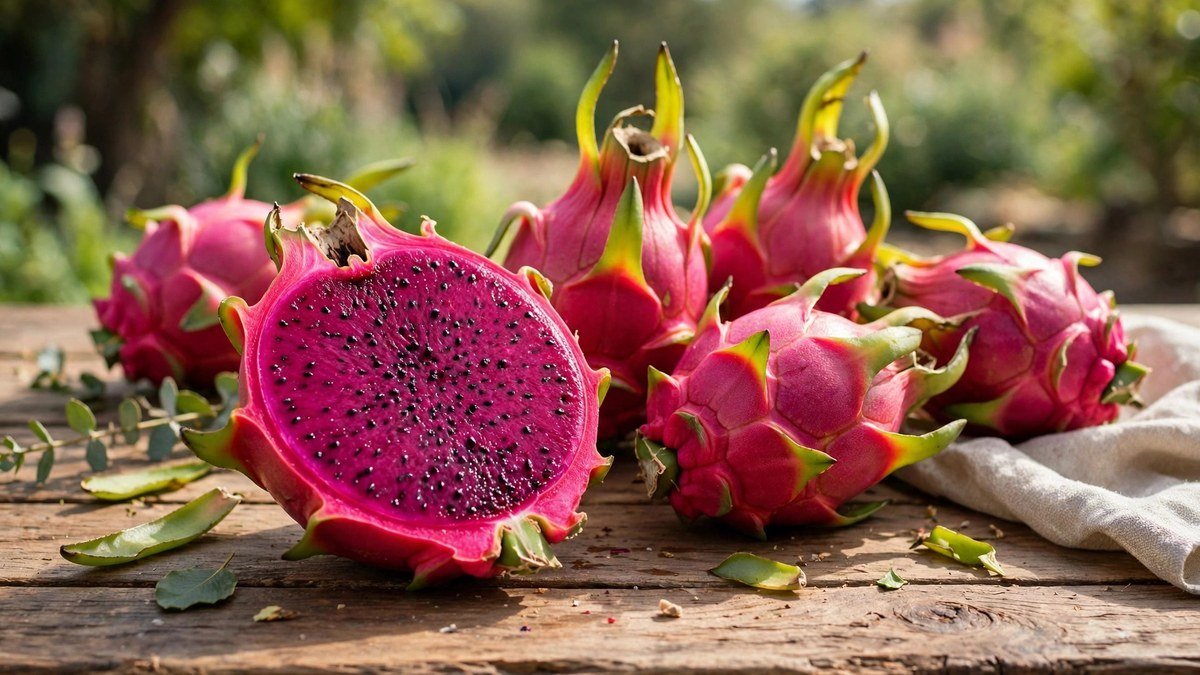
Cut open a white flesh dragon fruit and a red flesh one side by side, and the difference is impossible to miss. The white flesh is mild and quiet. The red flesh is deep magenta, almost glowing, with a flavour that most growers describe as richer and sweeter. That colour is also why red flesh dragon fruit varieties for home garden planting have become the first choice for so many home growers: they look spectacular on the table, and they usually taste better too.
But not every red flesh variety suits a home garden. Some grow into huge, heavy plants that need a second variety nearby to set fruit. Others stay compact, pollinate themselves, and fruit in a large pot. Choosing well matters more than choosing fast. This guide compares the red flesh dragon fruit varieties for home garden growing on the things that actually decide success: flavour, size, pollination, and how much space they need.
In This Guide
- What Makes a Red Flesh Variety Different
- The Three Red Flesh Species to Know
- Best Red Flesh Varieties for Small Home Gardens
- Flavour Compared: Which Red Flesh Variety Tastes Best
- Pollination: The Question That Decides Your Harvest
- Size, Fruit Weight and Space: Picking for a Small Garden
- Growing Red Flesh Varieties in Pots
- Frequently Asked Questions
What Makes a Red Flesh Variety Different
The colour comes from betalains, the same family of pigments that colours beetroot. A red flesh dragon fruit carries far more of these pigments than a white flesh one, which is why the flesh stains everything it touches. The pigments do not change how the plant grows. The stems, flowers, and climbing habit of a red flesh plant look much like those of a white flesh plant. The difference shows up in the fruit: deeper colour, usually more sweetness, and a flavour that leans towards berries rather than melon.
Red flesh varieties also tend to have a slightly shorter shelf life once cut, because the soft, juicy flesh dries out faster than firmer white flesh. That is a small point for a home grower, since the fruit is usually eaten the same day it is picked. What matters more is that red flesh types are often more sensitive to cold than the hardiest white flesh types, so growers in cooler areas should give them the warmest, most sheltered spot in the garden.
When you shop for plants, you will see two kinds of names. Species names like Hylocereus polyrhizus describe the wild plant. Variety names like American Beauty describe a selected form grown from a cutting. For a home garden, the variety name is what matters, because it tells you about flavour, fruit size, and whether the plant can pollinate itself.
The Three Red Flesh Species to Know
Almost all red flesh dragon fruit varieties for home garden planting come from three species, and knowing them helps you read any nursery label.
Hylocereus polyrhizus is the classic red flesh species. Its skin is bright pink with green scales, and the flesh is a deep red-purple. It grows vigorously and fruits well in warm climates. Many popular varieties are selections of this species.
Hylocereus costaricensis, the Costa Rican pitaya, is the second red flesh species. Its skin is a deeper pink-red, and the flesh is a strong magenta. It is native to Central America and is known for rich flavour, though it can be slower to fruit than polyrhizus types.
Hylocereus guatemalensis is the third species behind many red flesh varieties. It is usually listed as the parent of popular hybrids, including American Beauty, which is a cross between guatemalensis and polyrhizus. Hybrids like this often combine the best traits of both parents: good flavour, good size, and better self-fertility.
UF IFAS lists these species in its dragon fruit growing guide, and it is a useful reference when a nursery label gives you a species name instead of a variety name.

Best Red Flesh Varieties for Small Home Gardens
American Beauty is the safest first pick for most home growers. It is a hybrid with pink skin and magenta flesh, and it is self-fertile, which means a single plant can set fruit on its own. The fruit is medium sized, roughly 400 to 600 grams, with a sweet, berry-like flavour. The plant grows vigorously but is manageable on a single post, and it fruits reliably in warm climates. If you can grow only one of the red flesh dragon fruit varieties for home garden growing, grow this one.
Delight is another strong choice for small gardens. It has pink skin and red flesh, and it is also self-fertile. The fruit is medium sized with a very sweet flavour that many growers rate above American Beauty. The plant is less rampant than some red flesh types, which makes it easier to keep tidy on a trellis or a post in a pot.
Physical Graffiti is the variety to choose if you want large fruit. It produces some of the biggest dragon fruit of any variety, often over 700 grams, with pink skin and deep red flesh. The flavour is good and sweet, but the plant needs cross-pollination: on its own, it sets little or no fruit. Grow it only if you have room for a second, different variety nearby, or if you are willing to hand-pollinate with pollen from another plant.
Purple Haze is a popular red flesh variety with a striking purple-red flesh and a sweet, grape-like flavour. It grows well and fruits heavily, but like Physical Graffiti, it needs cross-pollination to set fruit reliably. It suits a grower who already has two or three varieties and wants to add something different to the collection.
Rixford is a smaller, lesser-known variety that deserves more attention from home growers. It has red flesh, a compact growth habit, and a sweet flavour. Its smaller size makes it a good fit for pots, and it is often recommended for growers who want a red flesh plant that will not take over a small balcony or courtyard.
Flavour Compared: Which Red Flesh Variety Tastes Best
Flavour is personal, but growers agree on the broad pattern across red flesh dragon fruit varieties for home garden growing: they are generally sweeter and more flavourful than white flesh varieties, with notes of berry, grape, and melon. Among the red flesh types, Delight and Purple Haze are usually rated the sweetest, with a rich, almost wine-like flavour when fully ripe. American Beauty is close behind, with a clean sweetness and a soft, juicy texture that makes it easy to eat fresh.
Physical Graffiti trades a little flavour for size. Its fruit is impressive on the table, but the taste is milder than Delight, especially if the fruit is picked early. Rixford sits in the middle: sweet, pleasant, and consistent, without the sharp peaks of Delight.
Flavour also depends on ripeness. A red flesh fruit picked too early tastes watery no matter the variety, while the same fruit left on the plant until the skin is fully coloured and the scales begin to dry is far sweeter. If you want the best flavour from any of the red flesh dragon fruit varieties for home garden growing, let the fruit ripen fully on the plant and taste it the day you pick it.
Pollination: The Question That Decides Your Harvest
Pollination is the single most important thing to check before buying any of the red flesh dragon fruit varieties for home garden planting, because it decides whether you get fruit at all. Dragon fruit flowers open at night and last only one night, so the window for pollination is short. Some varieties are self-fertile: their own pollen can set fruit. Others are self-sterile and need pollen from a different variety.
American Beauty and Delight are self-fertile, which is why they are the best picks for a grower with room for only one plant. Physical Graffiti and Purple Haze are self-sterile, so they need a pollination partner. If you grow one of these, plant a self-fertile variety nearby, or keep a second variety in a pot close enough for you to carry pollen between flowers by hand.
Hand pollination is simple and worth learning. On the night a flower opens, collect pollen from the anthers with a small brush, then dab it onto the stigma in the centre of the flower. Do this for every flower you want to set fruit, and do it the same night the flower opens. A flower that is not pollinated will drop within a day or two.
When you buy a plant, ask the seller directly whether the variety is self-fertile. Nursery labels are not always clear, and a grower who discovers the answer only after two fruitless seasons has wasted the most valuable thing in gardening: time.

Size, Fruit Weight and Space: Picking for a Small Garden
A mature dragon fruit plant is a big plant. On a post, it can reach two metres or more, with stems draping down in all directions. That size is manageable if you plan for it, but it catches new growers by surprise. Before you choose a variety, measure your space and be honest about how much of it you can give to one plant.
For a small garden or balcony, the best red flesh dragon fruit varieties for home garden growing are the compact, self-fertile ones: American Beauty, Delight, and Rixford. One plant on a single post, or one plant in a large pot with a sturdy trellis, is enough. A single plant can produce a worthwhile harvest once it is established, and it will not crowd out everything else in the garden.
If you have more room, a pair of varieties works better than a single plant. A self-fertile variety like American Beauty next to a large-fruited variety like Physical Graffiti gives you both reliable fruit and impressive size, and the two plants pollinate each other. Give each plant its own post, spaced at least a metre apart, so the stems do not tangle into one mass.
Fruit weight matters too. Large-fruited varieties like Physical Graffiti produce heavy fruit that pulls the stems down, so the support must be strong. A wooden post with a solid top frame is the minimum. For more on supports, see our guide on how to grow dragon fruit in a container on balcony.
Growing Red Flesh Varieties in Pots
Pots are a good option for red flesh dragon fruit varieties for home garden growing, especially in cooler areas where the plant needs to move under cover in winter. Choose a pot of at least 40 to 50 litres for a mature plant. Smaller pots dry out too fast and restrict the roots, which keeps the plant small and delays fruiting.
Use a loose, fast-draining mix. A blend of coco coir, perlite, and compost works well, and our guide on the best potting mix for dragon fruit in pots gives three recipes you can mix at home. Water when the top few centimetres feel dry, and feed lightly through the growing season with compost or a balanced organic feed.
Give the plant full sun, at least six hours a day, and a sturdy support from the start. A young plant in a pot grows fast, and a flimsy stake will not hold a mature plant with fruit. A strong post with a top frame, or a trellis fixed to a wall, is a better investment than a thin bamboo cane.
Red flesh varieties in pots fruit a little later than the same variety in the ground, because the roots have less room. That is a fair trade for the flexibility a pot gives you. A potted American Beauty or Delight, well fed and in full sun, will still fruit reliably once it is established, and the fruit tastes just as good as ground-grown fruit.

Frequently Asked Questions
Which red flesh dragon fruit varieties for home garden growing are best for beginners?
American Beauty and Delight are the best red flesh dragon fruit varieties for home garden beginners. Both are self-fertile, so a single plant can set fruit on its own, and both have sweet flavour and medium-sized fruit. They grow vigorously but stay manageable on a single post or in a large pot, and they fruit reliably in warm climates.
Do red flesh dragon fruit varieties need cross pollination?
Some do and some do not. American Beauty and Delight are self-fertile and can set fruit alone. Physical Graffiti and Purple Haze are self-sterile and need pollen from a different variety to set fruit. Always ask the seller whether a variety is self-fertile before you buy, because this decides whether one plant is enough or you need two.
Which red flesh dragon fruit tastes the sweetest?
Delight and Purple Haze are usually rated the sweetest red flesh varieties, with a rich, berry-like flavour when fully ripe. American Beauty is close behind with a clean sweetness. Flavour also depends on ripeness: any red flesh fruit picked too early tastes watery, while the same fruit left to colour fully on the plant is far sweeter.
Can I grow red flesh dragon fruit in a pot?
Yes. Choose a pot of at least 40 to 50 litres, a loose fast-draining mix, and a sturdy support from the start. Compact self-fertile varieties like American Beauty, Delight, and Rixford suit pots best. Give the plant at least six hours of full sun a day, and expect it to fruit a little later than the same variety in the ground.
How big do red flesh dragon fruit plants get?
A mature plant on a post can reach two metres or more, with stems draping down in all directions. Plan for that size from the start, with a strong post and a solid top frame. In a pot, the plant stays smaller, but it still needs a sturdy support and regular pruning to keep it tidy. For sunlight needs, see our guide on how much sunlight dragon fruit needs.
Conclusion
The best red flesh dragon fruit varieties for home garden growing are the ones that match your space and your patience. If you have room for one plant, choose a self-fertile variety like American Beauty or Delight, and you will get sweet fruit without needing a second plant. If you have room for two, add a large-fruited type like Physical Graffiti for size and a self-fertile partner to pollinate it.
Buy from a seller who can tell you whether the variety is self-fertile, plant it in full sun with a strong support, and let the fruit ripen fully before you pick it. Do that, and your first red flesh harvest will be worth the wait.
