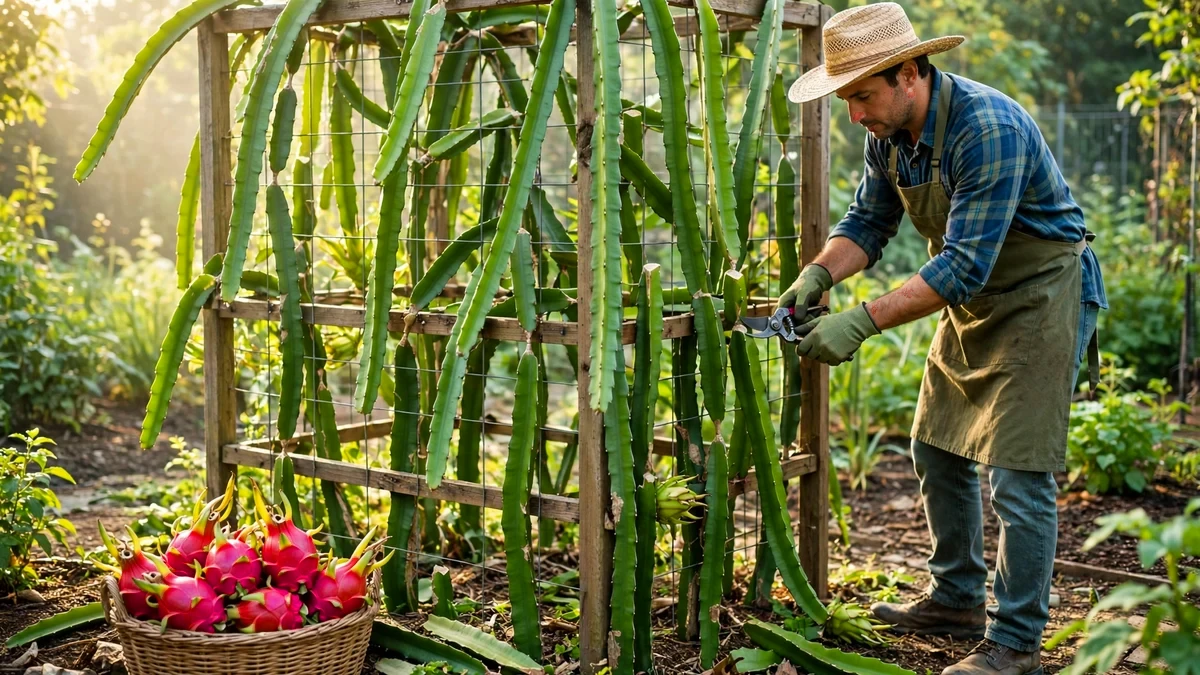
The harvest may be over, but the work is not. The weeks after picking are when the plant recovers, grows new stems, and prepares for the next round of flowers. What you do now decides how well the plant fruits next time. Knowing what to do after harvesting dragon fruit is mostly about three things: cleaning up the plant, feeding it gently, and giving it the right amount of water while it rests. This guide explains what to do after harvesting dragon fruit, walking through the post-harvest jobs in order, from the first tidy-up to planning the next flowering season.
Table of Contents
- The First Jobs After the Last Fruit Is Picked
- What to Do After Harvesting Dragon Fruit: Prune and Tidy
- Feeding the Plant for the Next Flush
- Watering After Harvest: Less, Not None
- Checking Stems and Trellis for Damage
- Dealing With Leftover and Fallen Fruit
- Planning the Next Flowering Season
- Frequently Asked Questions
- Related Guides
The First Jobs After the Last Fruit Is Picked
As part of what to do after harvesting dragon fruit, start with a simple walk around the plant. Look at the stems, the trellis, and the ground. Pick up any fallen fruit, because rotting fruit on the ground attracts fruit flies and fungal spores, and it can spread disease to the plant. Remove any fruit that is still hanging but is overripe, split, or damaged, because it will not improve and it draws energy the plant could use for new growth. Coil the hose, put the ladder away dry, and clean your secateurs with soapy water so they are ready for pruning.
This is also the moment to look at the fruit you have stored. Sort it once more, eat the softest fruit first, and move the firmest fruit into the refrigerator if you have not already done so. If you have more fruit than you can eat fresh, freeze the extra flesh as cubes on the day you pick it, while it is still firm.
A quick tidy-up on the day the harvest ends sets the tone for everything that follows, and it is the first step in knowing what to do after harvesting dragon fruit properly. The plant is tired after fruiting, and the first thing it needs is a clean, open space to recover in, not a pile of rotting fruit at its base and a tangle of damaged stems above it.
What to Do After Harvesting Dragon Fruit: Prune and Tidy
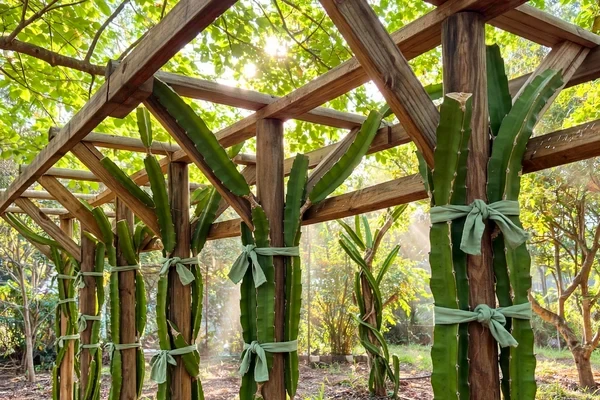
Pruning after harvest is the most important post-harvest job. Dragon fruit grows fast and produces a dense mass of stems if it is left alone, and a dense canopy blocks light, holds moisture, and makes the next harvest hard to reach. UF IFAS recommends production pruning that removes damaged, diseased, or dead stems, stems that reach the soil, and stems that crowd the canopy. Selectively remove some stems and train and tie the remaining stems to the trellis so they do not break or crowd each other. The plant is vigorous and may need pruning one to three times per year, and the post-harvest prune is the main one.
Start by removing any stem that is clearly dead, diseased, or badly damaged. Then remove stems that hang down to the soil, because they root where they touch the ground and create a tangle that is hard to manage.
Then thin the canopy: remove some of the older, crowded stems from the centre so light can reach the inner stems and air can move through. Keep the strongest, healthiest stems, especially the ones that are well placed on the trellis. Cut the tips of stems that have reached the top of the trellis to encourage branching, and tie new growth to the support with soft ties that will not cut into the stem.
Remove all pruned stems from the area and compost them away from the plant, because pruned stems left on the ground can harbour pests and disease. Pruning also induces flowering and branching, so a good post-harvest prune is the first step towards the next crop.
Feeding the Plant for the Next Flush
After fruiting, the plant has used a lot of nutrients, and a gentle feed helps it recover and grow the new stems that will carry the next flowers. Wait until the plant shows new growth before feeding heavily, because feeding a stressed plant too soon can do more harm than good.
A light application of balanced fertiliser, such as a 6-6-6 or 8-3-9 formula, is a good start, following the label rate for your plant’s size and age. UF IFAS guidance for mature plants suggests about 0.5 to 0.75 pounds of fertiliser per plant, in three to four applications per year, with manure or compost applied at about 5 pounds per application, twice per year. Your local conditions may differ, so treat these as a starting point and adjust to your soil and climate.
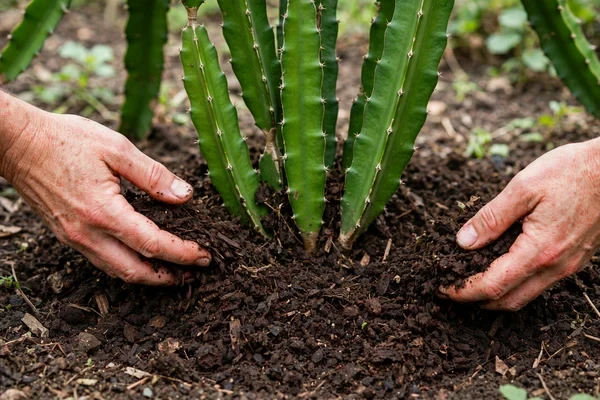
Compost is just as valuable as fertiliser. Spread a layer of well-decomposed compost or manure around the base of the plant, keeping it a few centimetres away from the stem itself, because compost touching the stem can hold moisture against it and encourage rot. Compost feeds the soil slowly, improves drainage, and helps the plant take up nutrients. If your soil is alkaline and the plant shows yellowing between the veins of the stems, a minor element spray or a chelated iron drench may help, as described in the fertiliser guide. Feed steadily rather than in one large dose, because a sudden flush of soft growth is more vulnerable to sunburn and pests than slow, steady growth.
Watering After Harvest: Less, Not None
Watering needs change after harvest. During fruiting, the plant needs regular water to size the fruit, but after the fruit is gone, the plant enters a quieter period and needs less. Do not stop watering entirely, because the plant is still growing new stems and needs moisture for that, but reduce the frequency and let the soil dry a little between waterings. A dry period in winter and early spring is actually useful, because UF IFAS notes that a dry period is required for abundant bloom induction. Too much water after harvest keeps the plant in soft vegetative growth and can delay flowering.
The right rhythm depends on your climate. In a hot, dry climate, water deeply once a week or so, and check the soil with your finger before watering again. In a cooler or more humid climate, water less often. If rain is regular, you may not need to water at all for a while.
Watch the stems: if they start to look thin and wrinkled, the plant is too dry, and you should water. If the soil stays wet and the stems look soft or yellow, you are watering too much. The goal is steady, moderate moisture, not wet soil and not bone-dry soil. Getting the post-harvest watering right is one of the quiet skills of knowing what to do after harvesting dragon fruit well.
Checking Stems and Trellis for Damage
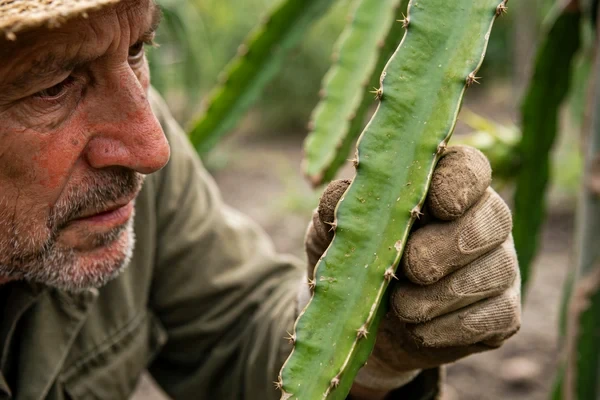
Knowing what to do after harvesting dragon fruit includes inspecting the plant closely, because you have been looking at it from every angle while picking. Check each stem for soft spots, dark patches, or a sour smell, which can be the first signs of stem rot. Look for insect damage, such as small holes, sticky residue, or ants farming scale insects on the stems. Check the joints where stems meet, because these are the places where rot often starts. If you find a damaged stem, cut it back to healthy green tissue with clean secateurs, and remove the damaged piece from the area.
Check the trellis at the same time. Push the post gently and look for lean or wobble. Look at the top frame and the ties that hold the stems, and replace any that are frayed, rusted, or cutting into the stems.
A trellis that has carried a heavy crop for a season may need tightening or bracing before the next season, and it is much easier to fix it now, while the canopy is freshly pruned and open, than later when the stems have grown back. If the post is rotting at ground level, plan to replace it before the next fruiting season, because a trellis that fails under a full crop can destroy a whole season’s fruit in one fall.
Dealing With Leftover and Fallen Fruit
When deciding what to do after harvesting dragon fruit, leftover fruit needs a decision on the day the harvest ends. Fruit that is still on the plant but overripe should be picked and used the same day or composted, because it will only attract pests if it is left. Fallen fruit should be picked up promptly and composted, not left to rot under the plant. Fruit that was picked but not eaten should be sorted once more: eat the softest first, freeze the extra flesh as cubes, and compost anything that is spoiled.
Do not compost diseased fruit in the same pile as healthy garden waste if you use the compost on the same plants, because some fungal spores survive home composting. Bag diseased fruit and dispose of it with household waste, or hot-compost it if you have a system that reaches high temperatures. Clean the baskets, crates, and tools you used for the harvest, and store them dry under cover. A clean finish to the season protects the plant and the fruit next year, and it means you start the next season with tools that are ready, not with a pile of dirty baskets and a rotting mess under the trellis.
Planning the Next Flowering Season
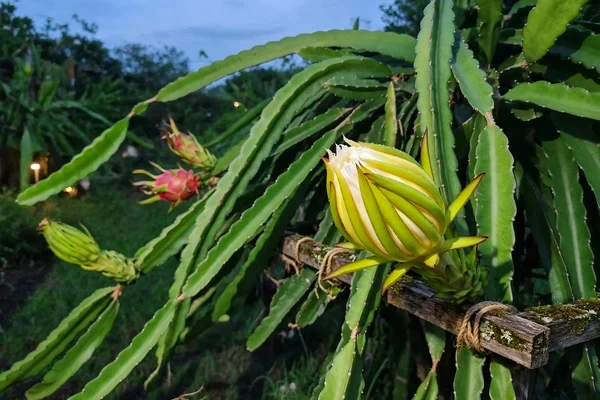
Once the plant is pruned, fed, and watered, an important part of what to do after harvesting dragon fruit is to think ahead to the next flowering. Dragon fruit flowers at night, and the flowers are large, fragrant, and short-lived, opening for a single night.
Some varieties are self-incompatible, so they set fruit better with pollen from a different variety, and planting two or three different genetic types improves fruit set and size. If your plant flowered poorly last season, consider whether it needs more sun, a drier winter rest, or a different pollination partner. The care calendar gives a month-by-month plan for the jobs that lead up to flowering, including when to prune, when to feed, and when to reduce water to encourage blooms.
Keep a simple record of the season that just ended: the dates of the first and last pick, the number of fruit, which varieties fruited best, and any problems such as splitting, pests, or stem rot. Over a few seasons, that record becomes a guide to your own garden, showing you which plants to keep, which to replace, and which jobs matter most.
The post-harvest period is short, but the decisions you make in it shape the next year, which is why knowing what to do after harvesting dragon fruit matters so much. A plant that is pruned, fed, watered, and checked after harvest is a plant that will flower well, and a grower who plans ahead is a grower who harvests well.
Frequently Asked Questions
What to do after harvesting dragon fruit – should I prune right away?
Yes. Post-harvest pruning is the main pruning of the year. Remove dead, diseased, and crowded stems, and stems that reach the soil, so light and air can reach the inner canopy. Pruning after harvest also encourages the branching and flowering that produce the next crop.
How soon after harvest should I fertilise?
Wait until you see new growth starting, then feed lightly with a balanced fertiliser and compost. Do not feed heavily immediately after harvest while the plant is still recovering, because a sudden flush of soft growth is vulnerable to sunburn and pests.
How much should I water after harvest?
Water less than during fruiting, but do not stop entirely. Let the soil dry a little between waterings, and watch the stems: thin, wrinkled stems mean the plant is too dry, while soft, yellow stems and wet soil mean you are watering too much. A short dry period in winter helps encourage flowering.
What should I do with fruit that fell off the plant?
Pick it up promptly and compost it if it is spoiled, or use it the same day if the flesh is still firm and fresh. Do not leave fallen fruit under the plant, because it attracts fruit flies and fungal disease.
Related Guides
- When To Prune Dragon Fruit
- Best Fertilizer For Dragon Fruit
- How Often To Water Dragon Fruit
- Dragon Fruit Plant Care
- How To Store Dragon Fruit
- How Long Dragon Fruit Lasts
- Support Dragon Fruit Stems
DragonFruitGrow.online is an independent gardening information website and is not affiliated with any nursery, fruit brand, or agricultural supplier. Growing conditions vary by cultivar, climate, soil, and plant age, so treat this guide as general information and adjust the advice to your own garden.
2 thoughts on “What to Do After Harvesting Dragon Fruit: Plant and Fruit Care”